Oral cancer or mouth cancer is a severe health condition. It is possible to develop it at any place in the mouth, such as the lips, tongue, cheeks, gums, or even the roof or floor of the mouth. Early detection is important, as in most cases, with cancer, the treatment outcome is enhanced.
The problem is that most individuals neglect the appearance of the initial signs of cancer in mouth and assume that they are caused by minor problems like sore gums or mouth ulcers.
However, learning about the signs of oral cancer in their early stages and knowing the factors that contribute to oral cancer will help you in guarding your health.
Just get to know the risk factors and symptoms of mouth cancer before they appear, as well as the commonly asked questions that will better inform us about this disease.
What Causes Oral Cancer?
Cancer of the mouth does not occur at a single time. It is a condition that is caused by abnormal changes in cells of the mouth and hence begins to multiply uncontrollably. There are a number of factors that lead to this transformation, and some of the significant aspects are the lifestyle factors and environmental factors.
The most frequent causes are:
Tobacco use: One of the causes of oral cancer is smoking cigarettes, cigars, or smokeless tobacco (chewing tobacco, snuff).
Alcohol use: Excessive and regular alcohol intake can cause irritation in the mouth cells and heighten the chances of cancer, especially when alcohol is used together with tobacco.
Human papillomavirus (HPV): HPV is strongly associated with oral cancers, especially those of the throat and tongue.
Too much sun exposure: The long-term exposure to UV radiation may cause lip cancer.
Poor oral health: Rough teeth, dentures, or poor dental health may lead to cell damage.
Family history and genetics: A close relative who had cancer may put you at risk.
Knowing the causes of oral cancer will give you the force to prevent it by quitting smoking, limiting alcohol consumption.
Understanding the First Signs of Oral Cancer
It is important to detect the initial symptoms of oral cancer. These symptoms are easy to overlook because they usually appear as benign dental problems. The first symptoms are:
- Sores in the mouth or the lips that fail to heal even after two weeks.
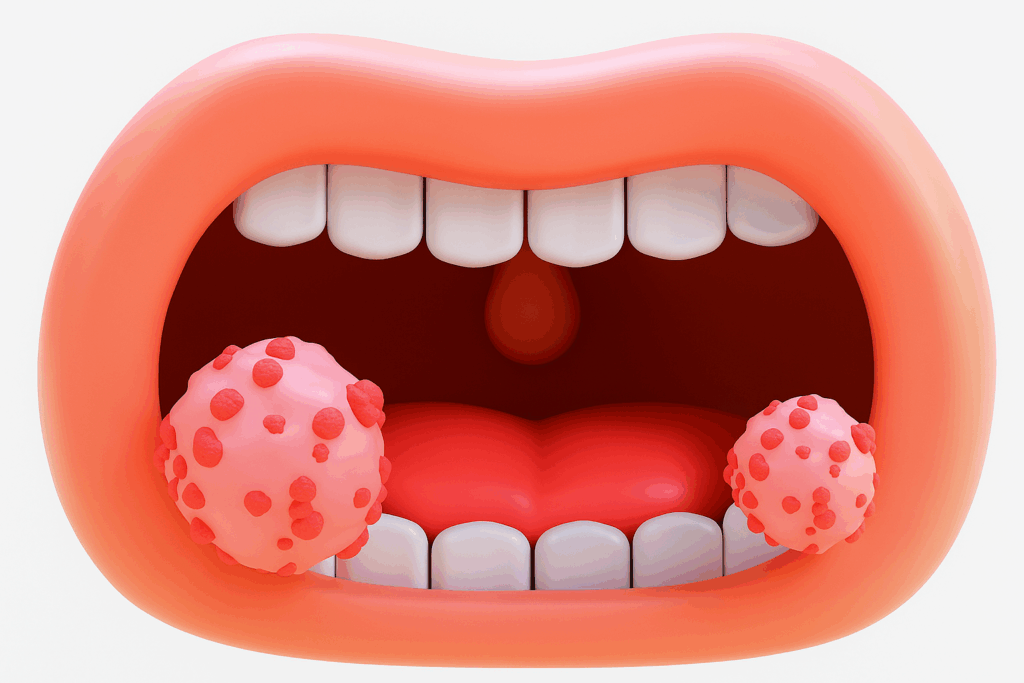
- Red or white patches inside the mouth.
- Lumps, thickening or roughness of the gums, tongue or cheeks, small.
- Pain, numbness, or tenderness in the mouth or lips.
- Problems with chewing, swallowing or tongue movement.
When these are the early symptoms of oral cancer, it is necessary to make an appointment with the dentist. Dentists usually conduct oral cancer screening as a way of detecting abnormality in an early stage, when treatment is most successful.
Mouth Cancer Symptoms: That Should Not Be Ignored
Early symptoms of mouth cancer are subtle in nature, whereas advanced symptoms are more difficult to ignore. Mouth cancer presents some of the following important signs:
- The sensation that there is something caught up in the throat.
- Roughness or changes in voice.
- Persistent bad breath.
- Unexplained weight loss.
- Bleeding in the mouth without an obvious cause.
- Pain in the area of the jaw.
When you are having one or more of these signs of mouth cancer, there is an urgent need to seek medical attention. When intervention is done early, it can go a long way in survival and recovery.
Early Oral Cancer Signs vs. Common Mouth Issues
One of the reasons why people do not manage to diagnose mouth cancer at its early stages is that people confuse symptoms with minor oral issues. For instance:
- The healing time of a canker sore is normally one to two weeks and a cancerous sore does not heal and may spread.
- Irritation of the gums due to dental appliances may be relieved by modification, but a cancerous lump will not resolve on its own.
- A cold will cause temporary roughness that will go away, but alterations in cancer persist.
Knowing these differences can make you aware of possible cancerous signs in the mouth earlier and act on them.
Risk Factors That Increase the Risk of Mouth Cancer
Not all individuals who possess these risk factors develop into oral cancer and yet they make them susceptible:
- Age: The majority of the cases are found in individuals above the age of 40.
- Gender: The incidence of males having mouth cancer is twice that of females.
- Diet: A Diet deficiency in nutrition and a lack of fruits and vegetables can undermine your immune system, and it becomes difficult to counteract abnormal cell growth.
- Weakened immune system: Any condition or treatment that suppresses the immune system puts the person at a high risk of oral cancer.
The Importance of Early Detection
The positive side of the situation is that mouth cancer can be treated very successfully, provided it is detected in the early stages of its development. People diagnosed with the condition during the first stages have higher chances of survival as opposed to individuals diagnosed at advanced stages. One of the roles of dentists is to identify early signs of cancer in mouth during the check-up.
In case you live in Houston, you can also keep your health safe by making an appointment with a reliable dentist at Dr. Kamila Clinic to have an oral cancer screening in Houston conducted. This active measure can probably save your life.
Conclusion: Stay Alert, Stay Safe
Mouth cancer is an issue that requires awareness. Although it may be silent in onset, knowing the initial signs of oral cancer and how oral cancer is caused can enable you to take prompt action. Do not overlook sores, patches, and lumps that keep on in the mouth. Rather, make a dental appointment with your dentist to have your oral cancer checked.
The best way to reduce your risk and keep your overall health is to make healthy choices, avoid high-risk habits, and watch out for the signs of cancer in mouth.
Keep in mind that the earlier it is, the better.
Frequently Asked Questions
What Causes Oral Cancer to Develop?
Oral cancer is caused by a genetic mutation of oral cells, usually due to tobacco use or alcohol consumption, HPV, excess sun exposure or neglect of oral health.
Who is Most at Risk for Mouth Cancer?
Patients at increased risk are people older than 40, men, tobacco and alcohol consumers and those with a weakened immune system.
Can Oral Cancer Be Prevented?
Yes, you can reduce your risk by not smoking tobacco, drinking alcohol in moderation, eating well, keeping your teeth in great health and keeping your lips out of the sun.
Is Mouth Cancer Painful in the Early Stages?
Not always. In most instances, the symptoms of oral cancer are painless in their early stages, hence making regular screenings vital.
How is Oral Cancer Diagnosed?
To make sure that it is oral cancer, dentists or doctors may conduct visual exams, biopsies or imaging tests.
What Habits Increase the Risk of Oral Cancer?
Risks include smoking, chewing tobacco, alcohol overindulgence, inappropriate diet, oral inadequacy, and the lack of oral hygiene.
Can Oral Cancer Spread to Other Parts of the Body?
Yes, oral cancer can be transmitted to the lymph nodes, throat and other organs in case it is untreated.