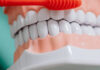

A denture that shifts when you speak, clicks at dinner, or rubs against sore gums can affect far more than your ability to chew. It can make everyday moments feel uncertain. Implant dentures are designed to address that instability by anchoring a custom denture to dental implants placed in the jawbone, creating a more secure and natural-feeling solution for people missing most or all of their teeth.
For many patients, the goal is not simply replacing teeth. It is being able to enjoy meals, speak comfortably, smile without self-consciousness, and protect the health of the jaw over time. The right treatment depends on your oral health, bone support, medical history, budget, and personal preferences. A thoughtful evaluation helps make those decisions feel clear rather than overwhelming.
What Are Implant Dentures?
Implant dentures combine two proven forms of tooth replacement: dental implants and a full denture. Dental implants are small posts, usually made from biocompatible titanium, that are placed in the jawbone to serve as artificial tooth roots. After healing, they support a denture through specialized connectors.
Unlike a traditional removable denture that rests directly on the gums, an implant-supported denture receives support and retention from implants. This can reduce movement, improve chewing efficiency, and help distribute biting pressure more evenly. Because implants stimulate the jawbone when you chew, they may also help slow the bone loss that commonly follows tooth loss.
There is no single version of implant dentistry that suits everyone. Some patients need a lower denture stabilized with two implants, while others prefer a fixed full-arch restoration supported by four or more implants. The best option is the one that supports your health, comfort, and day-to-day needs without recommending more treatment than is appropriate.
Types of Implant Dentures
Snap-In or Removable Implant Dentures
A removable implant denture, often called a snap-in denture or overdenture, attaches to implants but can be taken out at home for cleaning. The denture may use locator attachments, a bar, or another connection system chosen for your anatomy and restoration design.
This option can offer a meaningful improvement over a conventional denture while remaining easier to clean and often more affordable than a fixed full-arch restoration. It can be especially helpful for lower dentures, which tend to move more because there is less surface area for suction. It still requires daily removal, cleaning, and periodic maintenance of the attachment components.
Fixed Implant-Supported Dentures
A fixed implant-supported denture is secured to implants and is removed only by a dental professional during maintenance visits. It may be made from high-quality acrylic, composite materials, ceramic, or a combination of materials. Fixed restorations are often selected by patients who want the closest experience to having non-removable teeth again.
A fixed option can feel highly stable and may provide strong chewing function. However, it requires careful home hygiene beneath and around the restoration. It also usually involves a higher initial investment and may require enough bone and implant support to safely carry the restoration.
Why Stability Matters Beyond Comfort
When teeth are lost, the jawbone no longer receives the stimulation that natural tooth roots provide. Over time, this can contribute to bone resorption, which may change facial contours and make a conventional denture harder to fit securely. Implants cannot reverse every change that has already occurred, but they can help maintain bone in the areas where they are placed.
Stability can also improve nutrition. Patients with loose dentures sometimes avoid crisp vegetables, lean meats, nuts, and other foods that are harder to chew. Being able to eat a more varied diet can support overall wellness, although comfort levels and dietary choices still differ from person to person.
Just as importantly, a secure restoration can reduce the emotional strain of worrying about a denture slipping in public. That confidence is a real part of oral health and quality of life.
Who May Be a Candidate for Implant Dentures?
Many adults with extensive tooth loss can be candidates, including people who have worn traditional dentures for years. Candidacy is not based on age alone. A comprehensive exam considers the condition of your gums, the amount and quality of available jawbone, your bite, and your general health.
Conditions such as uncontrolled diabetes, active gum disease, heavy tobacco use, certain medications, or immune concerns can affect healing and implant success. These factors do not always rule out treatment, but they should be discussed openly so your care plan can be designed responsibly.
If there is not enough bone for ideal implant placement, bone grafting may be recommended. In some cases, the treatment plan can use available bone strategically without grafting. Advanced imaging and careful planning are essential because implants should be placed with attention to nerves, sinuses, bite forces, and the long-term health of surrounding tissues.
A wellness-centered approach also looks beyond the X-ray. Sleep quality, airway concerns, inflammation, nutrition, oral hygiene habits, and anxiety about dental treatment can all shape the experience and outcome. Your dental team should take time to understand the whole picture.
The Implant Dentures Process
Treatment begins with a consultation, examination, and diagnostic imaging. This is the time to discuss what you dislike about your current denture, whether you want a removable or fixed restoration, and what function matters most to you. Clear expectations matter. Even excellent implant dentures may feel different from natural teeth, particularly during the adjustment period.
If teeth need to be removed, the timing of implant placement varies. Some patients can receive implants at the time of extraction, while others benefit from healing first. The choice depends on infection, bone condition, bite forces, and the ability to achieve initial implant stability.
During implant placement, comfort measures and anesthesia are used to help make the procedure as gentle as possible. After placement, the implants need time to integrate with the jawbone. Healing commonly takes several months, though every case is different. A temporary denture or temporary teeth may be used during this phase so you are not left without a smile.
Once healing is complete, precise impressions or digital scans are used to create the final denture. Several try-in stages may be needed to refine the appearance, speech, bite, and tooth position. This attention to detail helps produce a result that looks balanced and feels comfortable.
Caring for Your New Smile
Implants do not decay like natural teeth, but the gums and bone around them still require daily care. Plaque buildup can lead to inflammation around implants, which can threaten their long-term stability if not addressed.
Removable implant dentures should be taken out and cleaned every day, along with the attachment areas. Fixed restorations require brushing, specialized floss or threaders, and often a water flosser to clean beneath the bridge. Professional cleanings and exams are not optional extras. They are a central part of protecting your investment and monitoring the health of the tissues around the implants.
If you grind or clench your teeth, a protective nightguard may be recommended. Regular follow-up also allows the dental team to check bite pressure, replace worn attachments when needed, and identify small concerns before they become larger problems.
Questions Worth Asking at Your Consultation
A good consultation should leave you better informed, not pressured. Ask how many implants are recommended and why, whether your restoration will be removable or fixed, what material is being proposed, and how you will clean it at home. It is also reasonable to ask about the expected healing timeline, potential need for grafting, maintenance costs, and financing options.
For Houston-area patients who want a personalized approach, Dr. Kamila Husain’s team can discuss tooth replacement in the context of your broader oral health and comfort goals. The conversation should be centered on what helps you feel healthy, informed, and at ease.
Choosing implant dentures is a meaningful decision, but it does not have to be rushed. Start with an honest conversation about how you want to eat, speak, smile, and care for your teeth each day. A well-planned solution can give you a stronger foundation for all of it.