
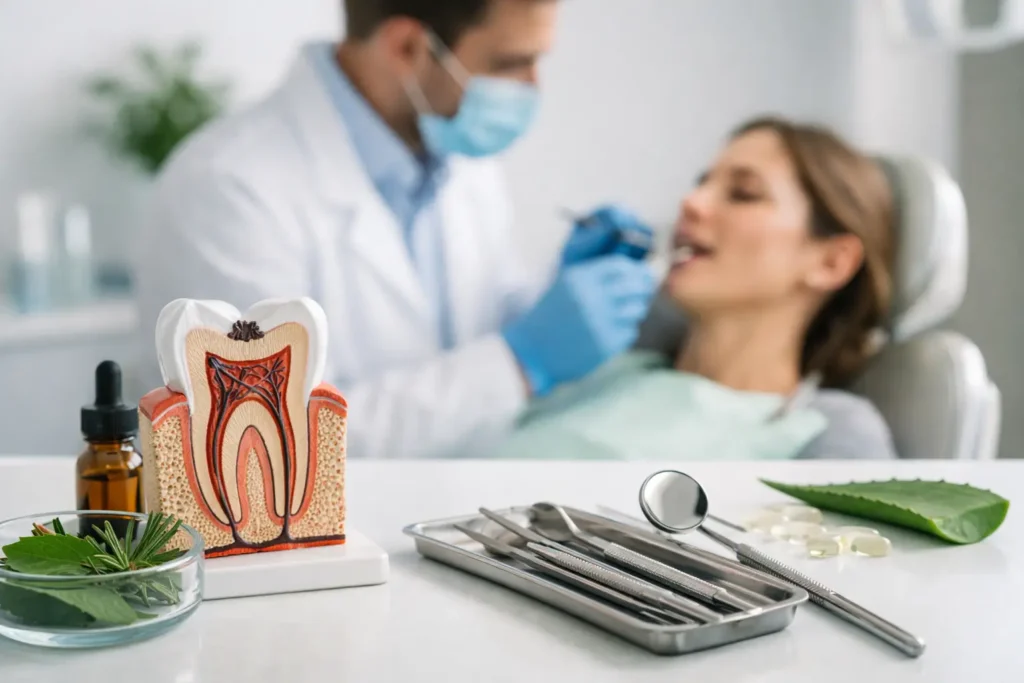
A cracked filling, persistent jaw tension, or a child’s first cavity can raise more questions than a standard treatment plan answers. This biological dentistry treatment guide explains how a whole-health approach can shape dental decisions without losing sight of the fundamentals: treating disease, protecting healthy tooth structure, and helping you feel comfortable with your care.
Biological dentistry is not a replacement for evidence-based dental care. It is a philosophy that considers how dental materials, inflammation, breathing patterns, stress, and individual health history may affect treatment choices. For patients who want a gentler, more personalized approach, it can provide useful context and more room for thoughtful conversation.
What biological dentistry means in practice
A biological dentist still checks for cavities, gum disease, infection, broken teeth, bite problems, and oral cancer. The difference is the lens used to evaluate and treat those concerns. Instead of focusing only on the immediate tooth, the care team considers your medical history, sensitivities, existing dental work, comfort needs, and long-term oral function.
The goal is not to promise that dental treatment will solve unrelated health conditions. Oral health and overall health are connected, but those connections can be complex. For example, untreated gum inflammation may add to the body’s inflammatory burden, while dry mouth caused by medication can raise cavity risk. A careful dentist recognizes these factors while coordinating with your physician when appropriate.
In a biological approach, treatment usually emphasizes preserving natural teeth whenever possible, selecting materials thoughtfully, using conservative techniques, and preventing small concerns from becoming more invasive problems.
Your first visit: questions before treatment begins
A good biological dentistry appointment begins with listening. You may be asked about prior dental experiences, medical diagnoses, medications, allergies, sleep quality, headaches, jaw discomfort, and concerns about dental materials. These details help create a plan that fits you rather than a generic checklist.
Your exam may include digital X-rays or other imaging when clinically needed, photographs, gum measurements, bite evaluation, and screening for signs of clenching, airway concerns, or oral infection. Modern diagnostics help identify problems early, but no test should be ordered without a clear purpose. Ask what the finding means, what happens if you wait, and whether there are alternatives.
If you have dental anxiety, mention it early. Gentle local anesthetic techniques, breaks during treatment, comfort options, and a clear explanation of each step can make care much more manageable. Feeling informed is not a luxury. It is part of consent and patient-centered treatment.
Materials: making informed, individualized choices
Material selection is one of the most recognized parts of biological dentistry. Many patients want to understand what is being placed in their mouths, particularly when a filling, crown, implant, or restoration is expected to last for years.
Tooth-colored composite fillings are commonly used to repair small to moderate areas of decay or damage. They can bond directly to the tooth and often allow for a more conservative preparation than older filling approaches. However, they are technique-sensitive and may not be the right answer for every large restoration or heavy-biting area.
Ceramic restorations, including certain crowns and inlays, can offer excellent durability and a natural appearance. The best option depends on the tooth’s location, the amount of healthy structure remaining, your bite, and your budget. A biological approach does not mean one material is automatically right for everyone. It means discussing the benefits, limitations, appearance, longevity, and compatibility considerations before moving forward.
For patients with a history of reactions or significant material concerns, your dentist may recommend reviewing your health history carefully and, in select situations, consulting with a medical provider or allergist. Testing is not necessary or useful for every patient, so recommendations should be specific to your situation.
Mercury amalgam removal deserves careful planning
Some patients choose to replace existing silver-colored amalgam fillings because they are fractured, leaking, have decay around them, or no longer suit their preferences. Others are concerned about mercury exposure. Removal should be planned thoughtfully, especially when multiple fillings are involved.
A dentist trained in SMART mercury amalgam removal protocols uses protective measures designed to reduce exposure to mercury vapor and particles during the procedure. These may include isolation of the tooth, high-volume suction, supplemental air management, protective barriers, and careful removal techniques. The exact protocol should be explained before treatment.
It is also worth knowing that an intact, functioning filling does not always require immediate replacement. Removing any restoration involves drilling and can affect surrounding tooth structure. The timing should be based on clinical findings, your health goals, and a realistic discussion of risks and benefits – not pressure.
Conservative treatment protects what is healthy
The strongest tooth is usually the one that has needed the least treatment. That is why prevention and early intervention are central to biological dentistry. Professional cleanings, home-care guidance, fluoride recommendations when appropriate, nutrition conversations, and monitoring early changes can often prevent more extensive repair later.
When treatment is necessary, conservative options may include repairing a damaged restoration instead of replacing it entirely, using an inlay rather than a full crown when enough healthy tooth remains, or treating early gum inflammation before it progresses. Still, conservative does not mean delaying care when a problem is advancing. A deep cavity, infection, or cracked tooth may require prompt treatment to preserve the tooth and prevent pain.
Laser dentistry may be useful for certain soft-tissue procedures and periodontal needs. Clear aligners can improve alignment for many adults and teens. These tools are valuable when they fit the diagnosis, but technology itself is not a treatment plan. The best recommendation is the one that addresses the cause of the problem and works for your health, timeline, and lifestyle.
Breathing, bite, and jaw comfort matter too
Biological dentistry often pays closer attention to function. A crowded smile, mouth breathing, grinding, or a strained bite can contribute to worn teeth, jaw soreness, headaches, broken restorations, and disrupted sleep. These concerns are not always solved by dentistry alone, but dental evaluation can identify signs that deserve further attention.
For children, early orthodontic and airway-focused screening can help monitor jaw development, habits, and breathing patterns. For adults, an airway-centered aligner approach may be considered when tooth alignment and function need to be addressed together. If sleep-disordered breathing is suspected, a dentist may recommend medical evaluation rather than trying to manage a potentially serious sleep condition solely with dental treatment.
Questions to ask before you say yes
You should never feel rushed into a dental procedure. Before scheduling treatment, ask your dentist to explain the diagnosis in plain language and show you the relevant X-ray, image, or exam finding when possible. Ask whether the treatment is urgent, what alternatives exist, and what may happen if you monitor the tooth for a period of time.
It is also reasonable to ask about the materials being used, the expected lifespan of the restoration, follow-up care, total cost, and financing options. For more complex treatment, a written plan can help you compare priorities and phase care in a way that is practical for your family.
A trustworthy recommendation does not rely on fear. It gives you enough information to understand why a procedure is recommended and enough space to make a confident decision.
When to seek care quickly
Holistic and biological care still includes urgent dentistry. Call promptly if you have facial swelling, fever, severe or worsening tooth pain, trauma to a tooth, uncontrolled bleeding, a lost restoration causing pain, or signs of infection. Swelling that affects breathing or swallowing requires emergency medical attention.
For non-urgent concerns, such as sensitivity, bleeding gums, a rough filling, or recurring jaw discomfort, an evaluation can prevent a small issue from becoming a larger one. At Dr. Kamila Husain’s practice, patients can discuss both immediate needs and longer-term wellness goals in one setting.
The most helpful next step is a conversation with a dentist who will examine carefully, explain honestly, and respect your priorities. Your mouth is part of your health, and your treatment plan should feel that personal.