
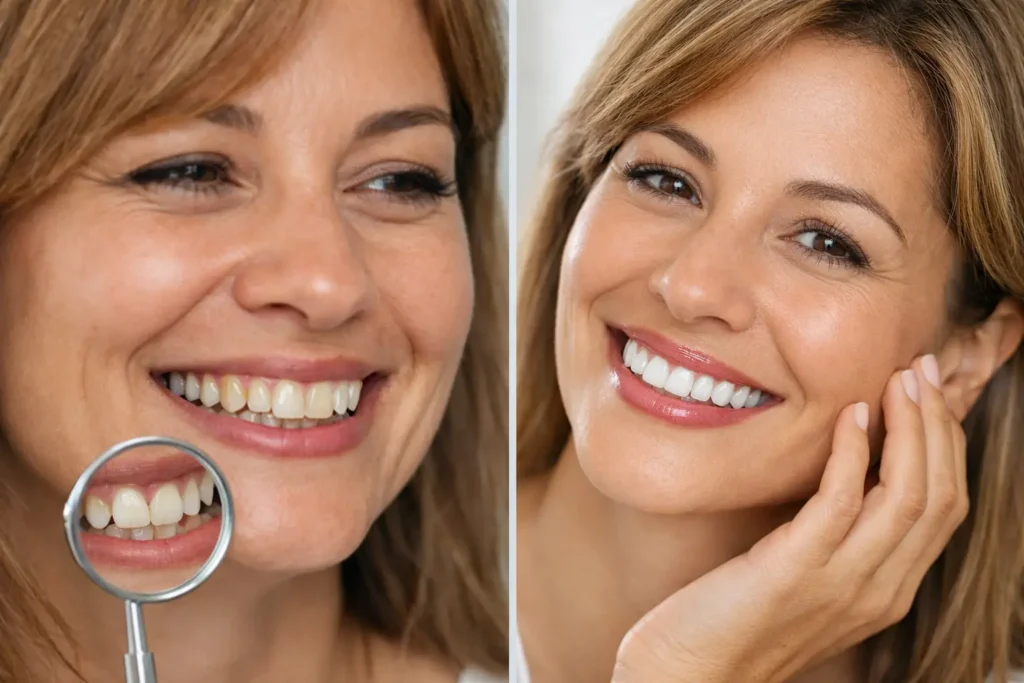
A smile makeover is not one treatment with one predictable finish line. The most satisfying Houston smile makeover results often come from matching the plan to the person – their tooth structure, bite, gum health, facial features, daily habits, and the changes they truly want to see. For one patient, that may mean brighter, more even front teeth. For another, it may mean repairing worn teeth so they look natural and feel comfortable to use again.
A thoughtful cosmetic plan should never ask you to choose appearance over health. When the foundation is healthy and the treatment is tailored carefully, cosmetic improvements can support confidence while protecting the function of your smile.
What a Smile Makeover Can Improve
The phrase “smile makeover” describes a personalized combination of cosmetic and restorative dental treatments. It may address color, shape, spacing, alignment, old restorations, missing teeth, or a smile that has changed after years of grinding or wear.
Common concerns include teeth that appear short, chipped, uneven, stained, crowded, or separated by noticeable gaps. Some patients are bothered by metal fillings or crowns that no longer blend with surrounding teeth. Others feel their smile shows too much gum tissue or that their teeth do not meet comfortably when they bite.
The right approach depends on what is causing the concern. Whitening can improve the color of natural enamel, but it will not lighten a crown or veneer. Clear aligners can move teeth into a more balanced position, but they do not repair chips or replace missing tooth structure. Veneers can change the visible shape and color of teeth, while crowns may be a better choice when a tooth also needs more complete protection.
That is why a makeover should begin with an examination and a conversation, not a one-size-fits-all treatment recommendation.
Houston Smile Makeover Results Begin With Healthy Foundations
Before cosmetic work is planned, your dentist should evaluate the health and stability of your teeth and gums. Active decay, gum inflammation, infection, cracked teeth, and untreated grinding can affect both comfort and the longevity of cosmetic dentistry.
Your bite matters, too. If teeth are worn because of clenching, or if they meet in a way that puts excess pressure on a new veneer or crown, addressing that pressure is part of protecting the investment. In some cases, a nightguard, bite adjustment, restorative treatment, or orthodontic alignment may be recommended before or alongside cosmetic improvements.
For patients who prefer a wellness-centered approach, material selection and conservative planning may also be part of the discussion. The goal is to preserve healthy tooth structure whenever possible, use appropriate biocompatible materials, and avoid recommending more treatment than a patient needs.
A beautiful result should feel like your own smile, only healthier, more balanced, and easier to share.
Treatments That May Be Part of Your Plan
A makeover can be as simple as whitening and bonding or as comprehensive as alignment, gum contouring, veneers, crowns, and implant restoration. The best combination is the one that solves your specific concerns with the least unnecessary intervention.
Professional Whitening
Professional whitening can lift surface and deeper stains from coffee, tea, wine, tobacco, and natural aging. It is often a good first step because it helps patients see how much improvement is possible before choosing additional cosmetic work.
Whitening works on natural teeth, not on existing crowns, veneers, fillings, or bonding. If visible restorations no longer match after whitening, they may need to be replaced for a uniform color. Temporary sensitivity can occur, especially for patients with exposed root surfaces or a history of sensitivity, but your dental team can adjust the approach to improve comfort.
Cosmetic Bonding and Veneers
Bonding uses tooth-colored composite material to refine small chips, gaps, uneven edges, or minor shape concerns. It is generally conservative and may be completed quickly, though it can stain or wear over time and may need touch-ups.
Veneers are custom-crafted shells placed over the front surface of teeth. They can create more significant changes in color, symmetry, proportion, and shape. Because veneer treatment may involve altering a small amount of enamel, it requires careful planning. A natural-looking result comes from avoiding an overly uniform, overly opaque appearance and considering how the teeth fit your face, lips, and personality.
Clear Aligners and Bite-Focused Planning
When crowding, spacing, or tooth position is the main issue, clear aligners may be a better starting point than covering teeth with veneers. Moving teeth can create room, improve symmetry, and make daily brushing and flossing easier.
For some patients, aligner planning should also consider the airway and how the jaws and teeth function together. This is especially relevant when a patient has signs of clenching, mouth breathing, jaw discomfort, or sleep-related concerns. Orthodontic treatment is not a cure for every airway or jaw issue, but a broader evaluation can help guide a more thoughtful plan.
Crowns, Implants, and Restorative Care
A cosmetic result is limited if weakened or missing teeth are left untreated. Crowns can strengthen heavily damaged teeth while improving their shape and color. Dental implants can replace missing teeth and help restore a fuller, more functional smile when they are appropriate for the patient’s health and bone support.
Restorative dentistry should be designed to blend naturally with surrounding teeth while also respecting bite forces. The goal is not simply to create a photo-ready smile, but one that allows you to eat, speak, and laugh comfortably.
What Natural Results Usually Have in Common
Many patients want a brighter smile but worry about teeth looking too white, too large, or artificial. That concern is reasonable. The strongest cosmetic outcomes tend to look intentional without looking manufactured.
Natural Houston smile makeover results usually reflect several details: a shade that suits the patient’s complexion, tooth proportions that fit the face, slight variations that keep the smile lifelike, and gum contours that frame the teeth evenly. They also account for how much of the smile shows when a patient talks or laughs.
Photos can be helpful for communicating preferences, but they should be used as inspiration rather than a promise. A smile seen online was created for someone else’s enamel, gum line, bite, and facial structure. Your treatment should be designed for yours.
How Long Does a Smile Makeover Take?
The timeline varies widely. Whitening or small bonding changes may be completed in a short period. Veneers and crowns generally require planning, preparation, custom fabrication, and final placement over multiple visits. Clear aligner treatment may take months, depending on the amount of movement needed. Implant treatment can take longer because healing and bone integration are essential parts of the process.
A phased plan is often a practical choice. You may start by treating gum health, whitening natural teeth, or replacing a failing restoration, then decide whether you want further cosmetic changes. This can make treatment more manageable financially and give you time to feel confident in each decision.
At Dr. Kamila Husain’s practice, patients can discuss cosmetic goals alongside their overall oral health, comfort needs, and treatment priorities. Clear explanations and transparent options help patients make decisions without feeling rushed.
Protecting Your Results After Treatment
Cosmetic dentistry is durable, but it is not maintenance-free. Natural teeth can still stain, gums can still become inflamed, and restorations can chip under heavy bite pressure. Regular preventive visits allow your dentist to monitor both your oral health and the condition of cosmetic work.
Daily brushing with a nonabrasive toothpaste, flossing or using other recommended interdental cleaning tools, and wearing a protective nightguard if you grind are practical ways to preserve your results. If you have veneers, bonding, or crowns, avoid using your teeth to open packages or bite hard objects. Coffee and red wine do not have to disappear from your life, but good home care and periodic professional cleanings help control new staining.
If you are considering a smile makeover, bring your questions and your priorities to the first visit. The right plan should leave you feeling informed, comfortable, and excited to recognize your smile in the mirror.