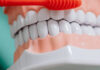
Crooked teeth are rarely just a cosmetic issue. For many adults and teens, crowding, bite problems, and shifting teeth can make brushing harder, create uneven wear, and even affect comfort when chewing. If you are searching for the Best clear aligners Houston has to offer, the real question is not simply which brand is most popular. It is which treatment plan is safest, most precise, and best suited to your overall oral health.
Clear aligners can be an excellent option for people who want a more discreet way to straighten teeth. They are removable, easier to clean around than traditional braces, and often fit well into busy family and work schedules. But not all aligner treatment is the same. The quality of the diagnosis, the provider’s planning process, and the health of your teeth, gums, jaw, and airway all matter.
What actually makes clear aligners the best?
The word best gets used loosely in dental marketing. In real life, the best clear aligners are the ones backed by careful diagnostics, realistic treatment goals, and close professional oversight.
A good aligner plan starts with a full evaluation, not a quick impression and a price quote. Teeth do not move in isolation. Gum health, bone support, existing dental work, clenching habits, jaw alignment, and breathing patterns can all affect whether aligners will work well for you. When those factors are overlooked, treatment may take longer, produce unstable results, or create new problems.
The best treatment also fits your lifestyle. Some patients need a straightforward cosmetic correction. Others have moderate crowding, bite issues, or relapse after past orthodontic treatment. A thoughtful provider explains what aligners can do, where their limits are, and whether another option would be more predictable.
Best clear aligners Houston patients should compare
If you are comparing providers, focus less on brand names alone and more on the experience behind the treatment. Many dental offices offer clear aligners, but the planning process can vary quite a bit.
One office may rely mostly on software-generated tooth movement. Another may build treatment around a more complete clinical picture, using digital scans, bite analysis, and a review of oral health before moving forward. That difference matters. Clear aligners are a medical treatment, not just a cosmetic product.
In Houston, patients often look for a provider who can offer more than tooth straightening. That is especially helpful if you already have worn teeth, old fillings, gum inflammation, jaw discomfort, or concerns about how treatment may affect your bite. A full-service dental office can identify those issues early and coordinate care if needed, rather than treating alignment as a standalone fix.
For health-conscious patients, material choices and treatment philosophy may also be part of the decision. Some people want a practice that considers long-term oral-systemic health, favors less invasive care when possible, and takes time to explain how orthodontic changes may influence comfort, function, and hygiene.
Who is a good candidate for clear aligners?
Clear aligners work well for many teens and adults, but they are not ideal for every case. Mild to moderate crowding, spacing, minor bite imbalances, and orthodontic relapse are often very treatable. Patients who had braces years ago and noticed their teeth shifting again are frequently strong candidates.
More complex cases can still sometimes be treated with aligners, but they require careful planning and realistic expectations. Severe jaw discrepancies, certain kinds of tooth rotation, significant vertical bite issues, or poor gum support may call for a different approach or a combination of treatments.
Commitment matters too. Because aligners are removable, they only work when worn as directed, usually 20 to 22 hours a day. If trays are left out often, teeth may not track properly, and treatment can stall. For patients who want something discreet but can also stay consistent, aligners are often a very practical choice.
Why provider oversight matters more than people realize
One of the biggest misconceptions about clear aligners is that they are interchangeable. They are not. The trays may look similar from one system to another, but the clinical decisions behind them make the real difference.
Before starting treatment, your dentist should evaluate whether your teeth and gums are healthy enough for movement. Cavities, untreated inflammation, or unstable bone support should be addressed first. Moving teeth in an unhealthy environment can increase risk and compromise the result.
Monitoring during treatment is just as important. Teeth do not always move exactly as predicted by software. Attachments may need to be adjusted, refinements may be needed, and bite changes should be reviewed along the way. Regular check-ins help catch small problems before they become larger ones.
This is also where an airway-centered perspective can be valuable. In some patients, bite and arch development relate to breathing patterns, clenching, and long-term function. A provider who considers those factors may be better positioned to recommend treatment that supports both appearance and comfort.
Questions worth asking before you commit
If you are trying to narrow down your options, ask how your treatment will be planned and monitored. You should understand whether the office is doing a comprehensive exam, taking digital scans, reviewing your bite, and checking for gum or restorative issues before starting.
It also helps to ask who will oversee your case, how often progress will be evaluated, and what happens if your teeth do not move as expected. Refinements are common with aligners, and that is not necessarily a red flag. What matters is whether the office plans for them and communicates clearly about the process.
You may also want to ask about retention from the beginning. Straightening teeth is only part of the job. Keeping them in position long term is what protects your investment. A good plan includes retainers, instructions for wear, and a discussion about habits that can cause shifting over time.
Cost, convenience, and the fine print
Cost is naturally part of the conversation, but the lowest quote is not always the best value. A lower fee can sometimes reflect less diagnostic work, fewer follow-ups, or treatment that is limited to cosmetic alignment instead of functional correction.
That does not mean aligners have to feel out of reach. Many dental practices offer financing options and phased treatment planning to make care easier to manage. Transparency matters here. Patients deserve to know what is included, whether refinements are covered, and what additional costs may come up if treatment needs to be extended.
Convenience matters too, especially for parents and working adults. Digital scanning, efficient appointments, short wait times, and responsive communication can make orthodontic care much easier to fit into real life. Those details do not replace clinical quality, but they do shape the overall experience.
Clear aligners and whole-health dentistry
For some patients, choosing aligners is about more than appearance. Straighter teeth can support better hygiene by making it easier to brush and floss thoroughly. In some cases, improving alignment can also reduce areas where plaque collects, lower uneven pressure on certain teeth, and help protect dental work from excess wear.
A whole-health approach means looking beyond the smile photo. It asks whether treatment supports cleaner teeth, healthier gums, balanced function, and long-term comfort. It also means avoiding unnecessary treatment and choosing the least invasive option that can still achieve a stable, healthy result.
That approach often resonates with patients who want to feel informed rather than pressured. A thoughtful consultation should leave you with a clear understanding of your options, the likely timeline, and any trade-offs involved. Some people are excellent aligner candidates. Others may benefit from restorative care, gum treatment, or airway evaluation before moving teeth.
How to choose with confidence
If you are looking for the best clear aligners in Houston, try to think beyond ads, discounts, and before-and-after photos. The better choice is usually the provider who takes time to understand your health, explains your options clearly, and treats alignment as part of your overall dental well-being.
That means looking for thorough diagnostics, personalized planning, honest discussion of limitations, and ongoing support throughout treatment. It also means choosing a dental team that respects your comfort and answers questions without rushing you.
At a practice like Dr. Kamila Husain’s, where clear aligner care can be approached through both modern technology and a wellness-centered lens, patients often appreciate having one place to evaluate not just straight teeth, but the bigger picture behind them. When your treatment plan supports appearance, function, and long-term health together, the decision tends to feel a lot easier.