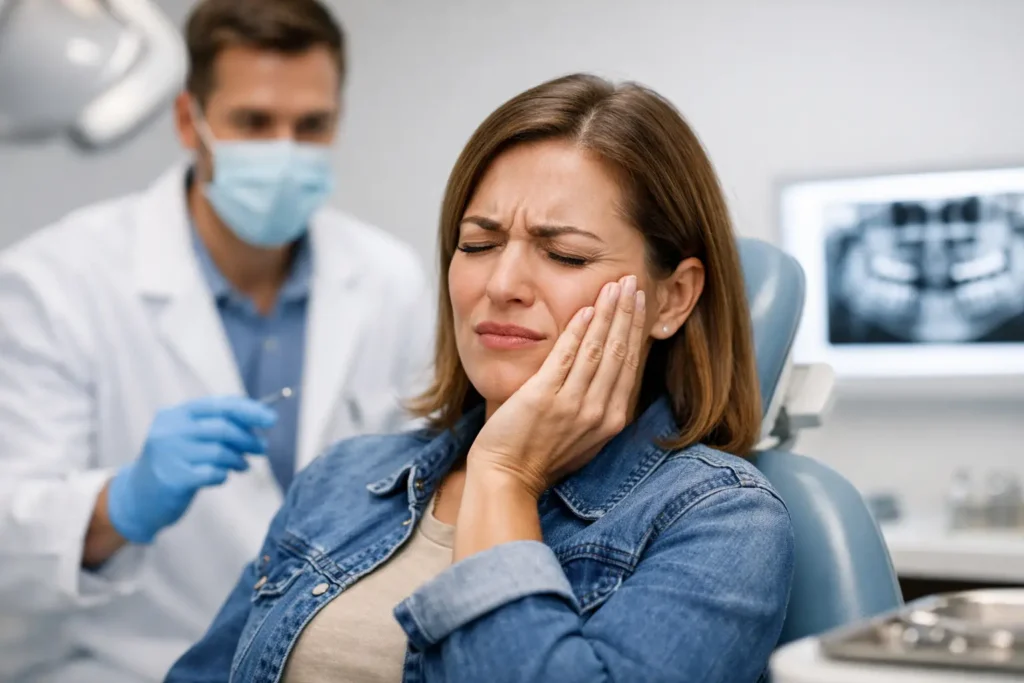
A severe toothache rarely arrives at a convenient time. It may start as a dull ache during dinner, wake you in the middle of the night, or follow a sudden fall, sports injury, or broken restoration. When pain, swelling, or dental trauma interrupts your ability to eat, sleep, or function normally, an emergency dentist Houston patients trust can help protect both your comfort and your long-term oral health.
The goal of emergency dental care is not simply to make pain disappear. It is to identify the cause, stabilize the tooth and surrounding tissues, and recommend the most conservative effective treatment. Prompt care can often mean the difference between saving a natural tooth and facing a more complex restoration later.
When You Need an Emergency Dentist in Houston
Not every dental concern requires a same-day appointment, but it can be difficult to tell the difference when you are uncomfortable. A lost filling or mild sensitivity may be able to wait briefly with guidance from your dental team. Severe, worsening, or trauma-related symptoms should be assessed quickly.
Call for urgent dental guidance if you have intense or persistent tooth pain, facial or gum swelling, a cracked or broken tooth, a tooth that has been knocked loose or completely out, uncontrolled bleeding after a dental procedure, or a lost crown that leaves a tooth painful or sharply exposed. A broken denture or restoration can also be urgent when it interferes with eating, speaking, or causes injury to soft tissues.
Swelling deserves particular attention. An infection in or around a tooth can progress beyond the mouth if left untreated. If swelling is accompanied by fever, trouble swallowing, trouble breathing, confusion, or swelling around the eye or neck, seek emergency medical care immediately or call 911. Those symptoms may require hospital-level treatment, not just a dental appointment.
What to Do Before You Are Seen
A few practical steps can protect the area and make your visit more comfortable. The right approach depends on what happened, so call the dental office as soon as possible for personalized direction. In the meantime, these measures are generally helpful:
- Rinse gently with warm water to clear away debris. If a tooth was knocked out, hold it by the crown, not the root, and gently rinse it only if it is dirty.
- Use a cold compress on the outside of the cheek for swelling or injury. Apply it in short intervals rather than directly against the skin for a long period.
- If you can take them safely, use over-the-counter pain medication exactly as directed on the label. Avoid placing aspirin directly on gums or teeth, since it can burn delicate tissue.
- Save any broken tooth fragment, crown, filling, or appliance and bring it with you. A crown may sometimes be temporarily protected with dental cement from a pharmacy, but do not use household glue.
For a knocked-out permanent tooth, time matters. If possible, place it back into the socket without forcing it, or store it in milk or a tooth-preservation solution while you travel for care. Do not place a knocked-out baby tooth back into the socket because it may damage the developing permanent tooth underneath.
Why Tooth Pain Should Not Be Ignored
Pain is your body’s signal that something needs attention, but the intensity of pain does not always reveal the seriousness of the problem. A small crack can cause sharp pain when you bite yet be difficult to see without an examination. Conversely, a tooth that suddenly stops hurting after days of severe pain may not be healing. The nerve inside the tooth may have lost vitality while infection continues to develop.
An emergency examination may include digital imaging, tests of the tooth’s response, an assessment of the gums and bite, and a conversation about how the issue began. This helps distinguish among common causes such as deep decay, a cracked tooth, an abscess, a fractured filling, gum infection, or trauma to the supporting bone.
At Dr. Kamila Husain’s practice, emergency care is approached with the same whole-health perspective used in ongoing dental treatment. That means looking carefully at the immediate concern while also considering how oral infection, inflammation, materials, airway health, and bite function may affect a patient’s overall well-being. The most appropriate treatment is always individual. Sometimes a simple repair is enough; other situations may require root canal therapy, a protective crown, periodontal treatment, extraction, or a plan to replace a tooth thoughtfully.
What Happens at an Emergency Dental Visit?
The first priority is helping you feel heard and reducing discomfort safely. Your dental team will ask about the timing of your symptoms, your medical history, medications, allergies, and any recent injury. Be specific about swelling, fever, sensitivity to hot or cold, pain when biting, and whether the discomfort is getting worse. Those details help guide timely decisions.
Once the cause is identified, the dentist will explain what can be done that day and what may need follow-up care. For example, a fractured tooth might be smoothed or temporarily sealed during an emergency visit, followed by a final restoration once the tooth is stable. An abscess may need drainage and treatment of the infected tooth. Antibiotics can be appropriate in certain cases, especially when infection is spreading, but they do not remove the source of a dental infection on their own.
You should leave with clear instructions for caring for the treated area, managing discomfort, eating safely, and recognizing signs that need prompt follow-up. A transparent plan matters, especially when several treatment options are possible. Ask what each option is designed to accomplish, how it affects the natural tooth, and what the likely next steps and costs may be.
Gentle Care Still Matters During an Emergency
Urgent dental treatment does not need to feel rushed or impersonal. Many people delay care because of dental anxiety, concern about discomfort, or uncertainty about what treatment will involve. Unfortunately, waiting often makes an otherwise manageable concern more painful and more involved.
Gentle techniques, modern imaging, thoughtful anesthesia, and a calm explanation of each step can make a meaningful difference. For health-conscious patients, it is also reasonable to ask about conservative options, biocompatible materials, and ways to preserve healthy tooth structure whenever clinically appropriate. Holistic dentistry is not a substitute for urgent treatment of infection or trauma. Rather, it is a careful approach to making decisions that support both oral health and the person behind the tooth.
How to Prepare for the Call
When you contact an emergency dental office, share the essential facts: what happened, when it started, your pain level, whether you have swelling or fever, and whether you have a broken or missing tooth. Mention relevant health conditions, blood thinners, immune concerns, pregnancy, and medication allergies. If the problem followed an injury, explain whether there was a blow to the head, loss of consciousness, or jaw pain.
It is also helpful to ask whether you should avoid food or drink before your appointment, especially if a procedure may be needed. Bring identification, insurance information if applicable, a list of medications, and the damaged restoration or tooth fragment if you have it. If pain medicine has made you drowsy or the injury was significant, arrange for someone else to drive.
Dental emergencies are stressful, but fast, informed action can protect your smile and your health. If you are unsure whether your symptoms can wait, calling for guidance is a sensible first step. It is always better to have a concerning symptom evaluated early than to spend another night hoping it will settle on its own.