Mouth ulcers are painful swellings that can cause problems in eating and drinking, and even in speaking. The question that many people tend to pose is, What causes mouth ulcers?
These small cracks – or oral ulcers as they are also called – may occur due to various causes, such as stress, or even foods, or dental procedures. Although a mouth ulcer may appear to be a minor problem, when frequent or recurrent, a mouth ulcer can be an indication of a health problem. The initial step towards preventing and effectively managing ulcers in the mouth is to identify the reasons behind the ulcer.
We will discuss the frequently occurring causes of mouth ulcers in this blog, such as diet, lifestyle, dental problems, and health conditions. We will also answer some of the most asked questions, like the following: Will Vitamin B deficiency cause my mouth to develop ulcers? or “Does a mouth ulcer indicate a condition? Keep reading!
What Are Mouth Ulcers?
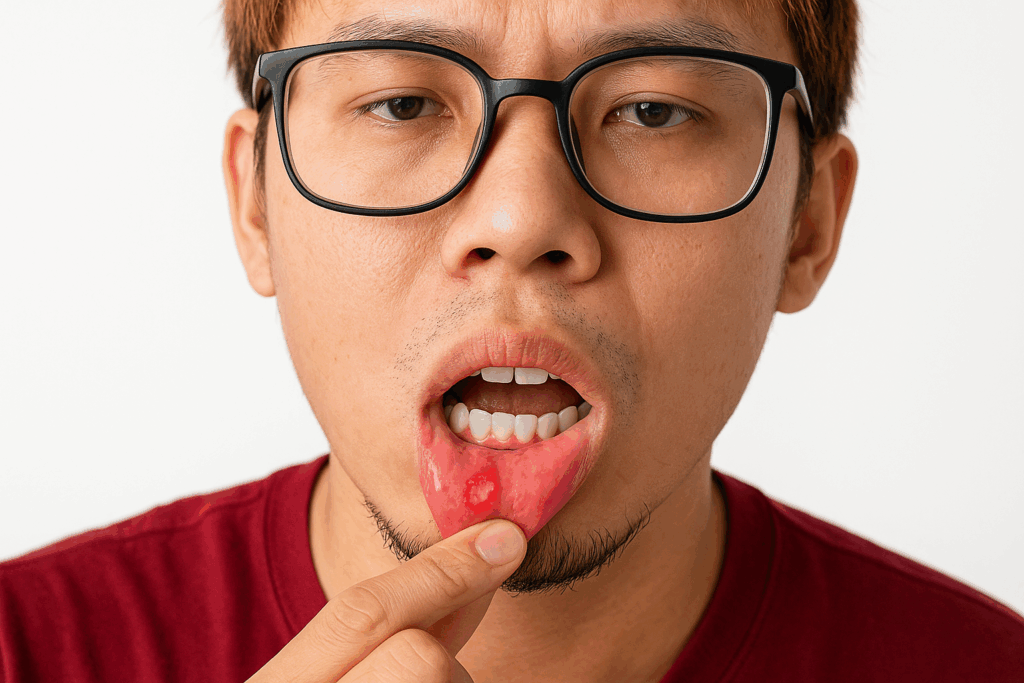
It is important to first of all define what a mouth ulcer is before getting into the causes. A mouth ulcer is a tiny sore on the inner surface of the mouth, tongue, gums or inner cheeks. They tend to come in the form of round or oval, red-bordered spots, the centre being white or yellow and make it painful to chew, drink or even talk. Ulcer inside the mouth can be single or cluster-based, most of these heal spontaneously in a period of one to two weeks, but recurrent or particularly intractable oral ulcers can be a cause of concern.
Why Do Ulcers in Mouth Appear?
The cause of these annoying sores is not only one. Indeed, there are some determinants that may lead to the development of mouth ulcers. The common ones include:
Damage or pain in the mouth: Biting your cheek by accident, overbrushing or braces rubbing against the mouth.
Stress and anxiety: Emotional stress is a common cause of ulcers in the mouth.
Nutritional deficiency: Low iron, folate, or Vitamin B12.
Hormonal changes: Most women develop more frequent mouth ulcers as their hormones fluctuate.
Allergic reactions or sensitivities: Some foods or ingredients can cause a sore.
Mouth Ulcer Causing Foods
Diet significantly contributes to the occurrence of ulcers in mouth. Certain foods are known irritants to the mouth lining, or they initiate a response. Included are common foods that cause mouth ulcers:
- Hot food (such as chili peppers)
- Fruits with acidic contents (lemons, oranges, pineapples)
- Tomatoes and tomato products.
- Nuts and in particular, walnuts and almonds.
- Chocolate
- Foods containing gluten (in gluten-sensitive persons)
When you realise that you develop an ulcer inside the mouth periodically after consuming a particular food, it might be good to restrict or avoid the triggers.
Mouth Ulcer After Dental Work
Did you ever get a mouth ulcer following dental treatment like cleaning your teeth, filling or getting your braces adjusted?
This is very normal and normally occurs as a result of:
- Dental accidental injuries.
- Razors scraping soft tissue.
- Braces, retainers or dentures can irritate the mouth.
- Hypersensitivity to dental materials (such as acrylic or metal)
Although these oral ulcers normally heal easily, a mouthwash or topical gel can be applied to relieve pain.
Mouth Ulcer is a Symptom of What?
In some cases, a mouth ulcer is a symptom of what may be a more severe defect. For example:
- Autoimmune diseases like lupus or celiac disease.
- Gastrointestinal ailments such as Crohn’s disease.
- Infections such as bacterial or viral infections.
- A weak immune system increases the occurrence of oral ulcers
Ulcers that have not healed and are unusually large, fever, swollen glands or fatigue should be consulted with the doctor.
Can Vitamin B Deficiency Cause Mouth Ulcers?
Yes, nutritional deficiency is one of the least-considered causes of ulcers. Vitamin B12, B6, or folic acid deficiency may cause recurrent oral ulcers, as well as such symptoms as fatigue, weakness, or paleness.
Vitamin deficiency can cause ulcers, which can be prevented with a diet that contains a lot of leafy greens, fish, dairy, and fortified cereals. In extreme cases, a doctor may recommend supplements.
What Causes Mouth Ulcers: Other Common Triggers
In addition to diet and tooth problems, recurrent oral ulcers may be caused by a number of other factors:
Stress and fatigue: Stress undermines the immune system, leaving the mouth susceptible.
Hormonal influences: Particularly in menstruation or pregnancy.
Lack of oral hygiene: An accumulation of plaque and infections may cause irritation to mouth tissues.
Medications: There are medications (such as NSAIDs or beta-blockers) that are associated with the development of ulcers as a side effect.
Genetics: A family history of common ulcers can put you at risk.
Ulcers in Mouth: When to Worry?
The majority of ulcers resolve in a week or two. But you need medical assistance in case:
- You have very large ulcers
- They last more than 3 weeks
- You have ulcers again and again.
- Beyond your mouth, ulcers spread.
- They are followed by fever, diarrhoea or skin rashes.
Tips to Prevent Oral Ulcers
Although mouth ulcers tend to resolve naturally, some lifestyle changes can be used to lower the occurrence rate and accelerate the recovery. Good oral care, a healthy diet and avoiding irritants are some of the major measures of prevention.
The following are a few easy but useful suggestions that will enable you to avoid mouth ulcers:
- Brush your teeth softly.
- Do not eat too spicy, sour, or hard foods.
- Keep the mouth hydrated to avoid drying.
- De-stress with relaxation.
- Braces use a soft-bristle toothbrush and dental wax.
- Consume a well-balanced diet that contains vitamins and minerals.
In case you have frequent or painful ulcers, it is worth consultative help. You may find professional dental services and individualised treatment plans at Dr. Kamila’s clinic to help with recurrent mouth ulcers.
Conclusion
Mouth ulcers can be tiny yet result into major discomfort. You can reduce them by knowing the cause of the mouth ulcers, either stress, diet, dental procedures, or lack of vitamins. Most oral ulcers are benign, but chronic or serious oral ulcers cannot be overlooked and may indicate an underlying health problem.
In case you have recurrent ulcers in the mouth, a dentist or a physician can help uncover the reason and propose appropriate interventions.
Have you ever had an ulcer, which was painful, in the mouth after eating some foods or seeing the dentist?
The first step in maintaining a healthy and pain-free smile is knowing what triggers it.
FAQs About Mouth Ulcers
Does Vitamin B Deficiency Lead to Mouth Ulcers?
Yes, deficiency of Vitamin B12, B6 or folate is the normal cause of recurring ulcers.
Can Poor Oral Hygiene Cause Mouth Ulcers?
Yes, oral sores may be caused by plaque accumulation and by irritation from bacteria.
Do Braces or Dental Appliances Trigger Mouth Ulcers?
Yeah, ulcers may be caused by friction of braces, retainers or dentures.
Can Sharp or Broken Teeth Lead to Mouth Ulcers?
Absolutely. Broken or sharp teeth can cause continuous irritation and discomfort inside your mouth. This can lead to mouth ulcers.
Why Do I Get Mouth Ulcers After Dental Treatment?
Temporary ulcers may be caused by the friction of dental tools or appliances.
Can Ill-fitting Dentures or Braces Cause Ulcers?
Yes, the mouth can easily get friction sores due to improperly fitting devices.