When a cold sip feels like an ice shock, what to do?
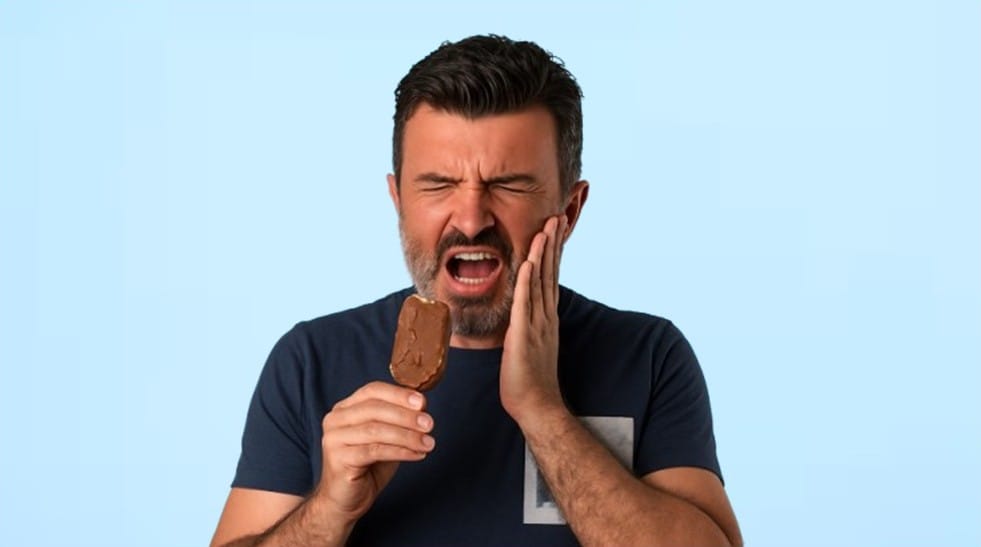
Have you ever sat down and sipped with your ice-cold water, or bit into your ice cream, and got a sudden, sharp shooting pain in your tooth?
When this has happened to you, you are not alone. Cold sensitivity of teeth, commonly referred to as tooth sensitivity to cold, is a rather common dental issue experienced by millions of patients. Although it may not appear serious at the start, however, chronic or acute pain is usually indicative of a deep-rooted dental problem and should be looked into.
Scroll down and get to know what causes sensitive teeth, the reasons why some food and drinks may result in discomfort, and above all, how to correct the situation as well as prevent it. Be it cold-sensitive molar or the ability of teeth hurt when eating sweets, identifying the underlying cause is the solution to relief in the long term.
What Is Tooth Sensitivity to Cold?
Tooth sensitivity to cold, in simple terms, occurs when the protective covering of your teeth’s enamel is exposed to wear and tear, and the dentin layer underneath is exposed. The dentin has microscopic tube-like structures linked to the nerve centre of the tooth (pulp). With exposure to cold conditions, these tubules send messages directly to the nerves, thus leading to that sharp, stinging observation.
This disorder is not only about being uncomfortable; it is a sign that your teeth can be exposed and susceptible to other dental issues unless it is treated.
Typical Signs of Cold-Sensitive Teeth
Some signs that you may have cold sensitive teeth are as follows:
- Painful eating, drinking cold foods and beverages, i.e. sharp pain occurs suddenly.
- Chest discomfort and pain while breathing in cold air
- Tooth that is sensitive to hot and cold simultaneously
- The feeling of cold teeth sensation, even when not in direct contact with a cold substance
When you experience discomfort on a regular basis, or it intensifies, it is time to think about what causes teeth sensitivity in your situation.
What are the Causes of Sensitive Teeth?
Now we have to get to know the meaning sensitive, and now it’s time to jump into the causes. So, tooth sensitivity does not happen by chance because it is an indication that something within your dental health merits attention. And here are the most typical offenders:
1. Enamel Erosion
Enamel may wear off as a result of acidic foods, over-brushing or age. When the enamel is lost, dentin is vulnerable and gets exposed, and that is how you get dental sensitivity to heat and cold.
2. Gum Recession
Receding gums also leave the roots of the tooth vulnerable since the enamel does not cover them. This forms a significant reason why is my tooth sensitive to cold in most instances.
3. Tooth Decay/ Cavity
At its worst, a cavity may reveal dentin, directly causing your teeth hurt when eating sweets or cold food.
4. Cracked Teeth
The break up may be deep enough to penetrate into the tooth pulp, hence the reason why does my teeth hurt when I bite down and on contact with temperature variations.
5. Dental Procedures
Sudden tooth sensitivity to cold foods or drinks is common after fillings, crowns, or teeth whitening, and, though it may be normal, it should be observed.
6. Grinding (Bruxism)
Constant Chewing destroys enamel and may cause molar sensitive to cold.
Why is my Tooth Aching When Cold?
You get to experience pain due to cold things because cold temperatures will lead to the movement of fluid within the dentin tubules. When this fluid travels, it activates nerve endings and transmits a pain signal to your brain.
Simply put, cold increases the sensitivity of the nerves on the surface of your tooth as the protective barriers become distracted.
Sore Teeth: When to Worry
Whilst slowly progressive sensitivity is usually associated with the wear of the enamel, the sudden tooth sensitivity to cold may be an indication of:
- A recent broken tooth
- A deep hole to the nerve
- Internal inflammation
- Loose or bad filling
In case you are in sudden pain, and especially when you have pain that lasts more than a few seconds, you should immediately visit a dentist.
Tooth that is Sensitive to Hot and Cold?
Becoming sensitive to extreme temperatures may imply:
- Intense tooth decay on the enamel
- Advanced decay
- Infected pulp tissue
This is an indication that something may be wrong, hence the possible need for root canal treatment. Less serious cases can be repaired with actions such as dental bonding that will protect the dentin exposed and relieve pain.
The Treatment of Teeth Sensitivity to Cold: How to Repair?
The best news is?
Tooth sensitivity caused by cold may be treatable most of the time. Here’s how:
1. Desensitizing Fluoride Toothpaste
Toothpastes containing potassium nitrate prevent pain signals from reaching the nerves. The sensation of cold teeth can be suppressed to a considerable extent via regular use.
2. Fluoride Treatments
A dentist is prepared to apply concentrated fluoride to the enamel and prevent the cause of cold teeth sensation.
3. Dental Bonding or sealants
To cover exposed roots or worn enamel, dental bonding supplies an additional covering that protects dentin.
4. Treat Gum Recession
Exposed roots can be covered with gum grafting, and cold sensitivity is reduced.
5. Address the Cavities and Cracks
When the sensitivity is caused by decay or cracks of the tooth, fillings, crowns or in extreme situations, root canal therapy might be required.
Prevention: The Ways to Prevent Future Cold Sensitivity
- Brush with a brush with soft bristles
- Foods/Beverages that are excessively acidic should be avoided
- Grind your teeth? wear a night guard
- Brush with moderation, not force- moderate strokes save enamel
- Go regularly to visit your dentist
When Your Molar Sensitive to Cold
Chewing pressure usually affects the molars more and consequently, the molars are prone to cracking, wearing and cavities. In case you feel molar sensitivity to cold:
- Try not to chew on ice or really hard food
- Book an examination to remove the possibility of fractures
- Think of using dental bonding as protection
Conclusion: Save Your Smile from Cold Sensitivity
Even more than an inconvenience, cold-sensitive teeth are also telling you that your dental health is being affected. Whether it is tooth sensitivity or receding gums, the possible causes of the condition include enamel erosion and much more.
When you ask yourself impulsively, Why are my teeth so sensitive, Why does my tooth hurt when I bite down? It is time to act.
At the Dr. Kamila Dental Clinic, we offer professional diagnosis and personalised therapy- such as fluoride treatments and dental bonding in Houston, so you never have to worry about your cold favourite. Book an appointment today and pamper your teeth.
Frequently Asked Questions
How Do I Know if My Tooth Sensitivity is Serious?
In case the pain persists even after getting out in the cold or in case the pain occurs without an apparent cause. It could mean decay, a crack, or complications with the nerve, which necessitate professional help.
What Are the Most Common Treatments for Cold-sensitive Teeth?
Use toothpaste, fluoride and bonding to cover teeth, as well as treating the main cause of decay or gingivitis.
Can Cold Drinks Damage Sensitive Teeth?
Yes, cold drinks are capable of inducing pain and exacerbating the sensitivity that is already present, in case there is already a weakened enamel.
What Toothpaste is Best for Cold Sensitivity?
Seek toothpaste with potassium nitrate or stannous fluoride to decrease the nerve response.
How Long Does Cold Tooth Sensitivity Last?
It is contingent on the cause; it might be mere sensitivity arising as a result of whitening, which can take a few days, or it can be enamel erosion, in which case treatment will be necessary on a long-term basis.
Is Tooth Sensitivity to Cold a Sign of a Cavity?
Often, yes. Decaying teeth reveal the dentin, and this may cause teeth to be highly sensitive to temperature fluctuations.
When Should I See a Dentist for Cold Sensitivity?
When the pain is intense, sudden or chronic or when you find that your tooth is sensitive to hot or cold, you call your dentist at once.