A smile makeover is not always about chasing perfection. For many patients, it starts with something much more personal – feeling less self-conscious in photos, wanting a chipped front tooth repaired, or hoping their teeth look as healthy as they feel. If you have been wondering what is cosmetic enhancement, the simplest answer is this: it is dental treatment designed to improve the appearance of your smile while still respecting comfort, function, and long-term oral health.
In dentistry, cosmetic enhancement usually refers to treatments that change the color, shape, size, spacing, or overall balance of your teeth and gums. That can include professional whitening, bonding, veneers, clear aligners, gum contouring, and tooth-colored restorations. In some cases, cosmetic care overlaps with restorative treatment, especially when a tooth is worn, cracked, or missing.
That overlap matters because a healthy-looking smile should also be a healthy working smile. Improving appearance without considering bite, airway, gum health, or material compatibility can lead to frustration later. A thoughtful cosmetic plan looks at the whole picture, not just the mirror.
What Is Cosmetic Enhancement and What Does It Include?
Cosmetic enhancement is a broad term, not one single procedure. It describes treatments that improve the visual appearance of your teeth and smile. Some options are simple and conservative, while others involve more planning.
Teeth whitening is one of the most familiar examples. It can lift stains from coffee, tea, wine, tobacco, and natural aging. Whitening can be effective for many patients, but it does not change the color of crowns, veneers, or fillings, so results may need to be balanced carefully.
Dental bonding is another common option. In bonding, a tooth-colored material is shaped directly onto the tooth to repair chips, small gaps, uneven edges, or minor discoloration. It is often quicker and more conservative than veneers, though it may stain or wear sooner over time.
Veneers are thin coverings placed on the front surfaces of teeth to improve shape, color, and symmetry. They can create dramatic changes, but they are not the right answer for everyone. Patients with heavy grinding, untreated gum issues, or unstable bite patterns may need other care first.
Clear aligners can also be part of cosmetic enhancement. Straightening teeth often improves appearance, but it may also help with cleaning access, bite balance, and wear patterns. For some patients, alignment is the foundation that makes other cosmetic treatment more conservative.
Tooth-colored crowns and fillings matter here too. While these restorations are often medically necessary, they also improve the look of the smile by replacing metal or damaged areas with natural-looking materials. Likewise, replacing a missing tooth with an implant, bridge, or denture has obvious cosmetic benefits, but it also supports chewing and oral stability.
Cosmetic Dentistry Is Not Just About Looks
This is where many people get the wrong impression. Cosmetic enhancement can sound superficial, but good cosmetic dentistry is closely tied to oral health and quality of life.
A chipped tooth may bother you because of how it looks, but it can also create a weak spot. Worn teeth may make your smile appear shorter or older, yet the real issue may be grinding or bite imbalance. Crooked teeth can affect confidence, though they may also be harder to clean thoroughly.
That is why the best cosmetic treatment plans are not rushed. A dentist should look at your enamel, gums, bite, jaw function, habits, and existing dental work before recommending changes. If whitening is all you need, treatment can stay simple. If your concerns are tied to wear, missing teeth, gum recession, or alignment, a more complete approach may protect your results better.
For health-conscious patients, materials and treatment philosophy also matter. Conservative dentistry aims to preserve natural tooth structure whenever possible and avoid doing more than necessary. In a holistic or biologically minded office, that conversation may also include biocompatible materials, inflammation, airway considerations, and how oral health fits into overall wellness.
Who Is a Good Candidate for Cosmetic Enhancement?
There is no single cosmetic patient. Some people want one small improvement. Others are rebuilding a smile after years of wear, old dental work, or injury.
You may be a good candidate if your teeth and gums are generally healthy and you want to improve staining, chips, uneven spacing, mild crowding, or the appearance of older restorations. If you have active decay, gum disease, significant clenching, or untreated bite problems, those issues usually need attention first.
This is not a drawback. In fact, it is one of the most important parts of ethical cosmetic care. If a dentist recommends veneers or whitening without checking the health of your mouth, that is not truly patient-centered treatment.
Age, lifestyle, and habits also shape the best option. A college student with one chipped tooth may do beautifully with bonding. A busy parent who wants a brighter smile before an event may benefit from whitening. Someone with worn, uneven front teeth may need a phased plan that restores both appearance and function.
The Trade-Offs Patients Should Know
Cosmetic treatment is never one-size-fits-all. Every option comes with benefits, limitations, and maintenance needs.
Whitening is conservative and popular, but some stains respond better than others, and temporary sensitivity can happen. Bonding is affordable and gentle on tooth structure, though it may chip or discolor over time. Veneers can create striking improvements, but they require careful planning and may not be the most conservative choice in every case.
Orthodontic treatment with clear aligners can improve appearance in a very natural way, but it takes time and commitment. Crowns can restore beauty and strength, though they involve more tooth preparation than bonding or whitening. Implant treatment can replace a missing tooth beautifully, but healing time and bone support are important factors.
There is also the question of expectations. Cosmetic enhancement can improve a smile significantly, but the goal should be natural, healthy harmony rather than an artificial look. The right treatment should fit your face, bite, and long-term health, not just a trend.
What to Expect From a Cosmetic Consultation
A good cosmetic consultation should feel educational, not pressured. You should leave with a clearer understanding of your options, what each one can and cannot do, and how treatment may affect your health and budget.
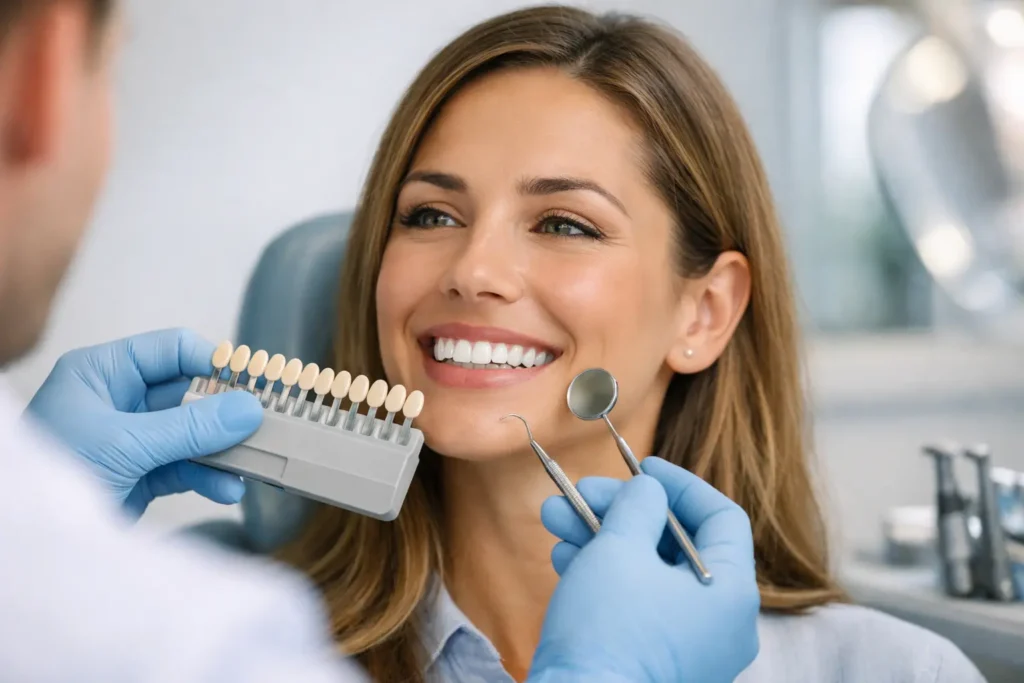
Your dentist may begin by asking what bothers you most about your smile. That question matters because the answer is often more specific than people expect. One patient notices staining. Another notices a single dark filling. Someone else may think they need veneers when what they really want is straighter teeth and less crowding.
From there, the evaluation should include your teeth, gums, bite, and existing dental work. Photos, digital scans, or X-rays may be used depending on the situation. If there are underlying concerns like clenching, decay, inflammation, or a poor-fitting restoration, those should be part of the discussion.
A personalized plan may involve one treatment or several done in phases. Sometimes the most beautiful result comes from doing less, but doing it thoughtfully.
What Is Cosmetic Enhancement Worth if It Does Not Feel Natural?
That is a fair question, and it gets to the heart of why provider choice matters. Cosmetic enhancement should not leave you with teeth that look too opaque, too large, or disconnected from the rest of your features. It should also not leave you with a bite that feels off or restorations that are difficult to maintain.
The best results tend to come from a balance of aesthetics, biology, and function. That means preserving healthy structure when possible, choosing materials carefully, and making sure your smile still feels like you. At practices such as Dr. Kamila Husain’s, that balance often includes a wellness-centered perspective that considers comfort, conservative care, and the connection between oral and overall health.
For patients in Houston who want cosmetic dentistry without the pressure, that kind of approach can make the process feel much more manageable. You should feel informed, respected, and comfortable asking questions before moving forward.
Cosmetic enhancement is not about creating a perfect smile for someone else’s standards. It is about making intentional changes that help your smile look healthier, feel more balanced, and reflect the way you want to show up in daily life.