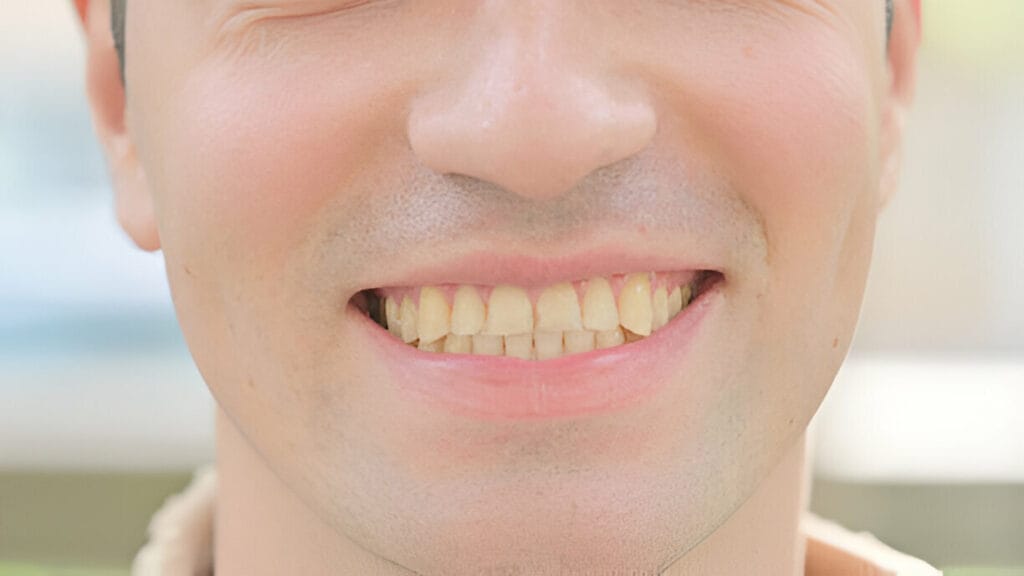
When you stared in the mirror recently and asked yourself, “Why are my teeth so discolored?” you are not the only one.
Dental problems such as tooth discoloration are among the most common issues for people, irrespective of their age. It can be put off slowly or pop up suddenly as a discoloration of your teeth, and it can be disturbing to your confidence. Dental stains and discolorations are widely experienced, ranging anywhere between mild yellowing to brown or greyish spots. Most of which can be both cosmetic and health concerns.
With the following guide, we will take you through the most frequent reasons why teeth are discolored, how different types come about and what you can do to get your smile back.
Types of Discoloration of Teeth
In order to have a solution, one has to know the type of discoloration of teeth and the reason behind it. Discoloration of the teeth usually occurs in three major categories:
1. Extrinsic Discoloration
The enamel of your teeth wears out as you grow older, revealing the yellowish dentin. Both intrinsic and extrinsic teeth stains can mix with each other with the process of ageing, which causes your teeth to have a dull or yellow look.
This applies to the enamel (external part) of the tooth and is normally attributed to external influences, e.g coffee, wine or tobacco. These teeth stains and discoloration of the teeth are usually yellow or brown. However, it can be treated by cleaning the teeth or whitening products in most cases by a dentist.
2. Intrinsic Discoloration
It takes place further into the tooth and usually comes due to an impact, medication, or illness. Internal stains might be grey or bluish in color and might need a more sophisticated treatment in dentistry, such as the use of veneers or bonding.
3. Discoloration with Age
What Causes Teeth Discoloration
Discolouration of teeth can be caused by numerous reasons, including lifestyle and medical conditions. The following are the most typical culprits:
1. Not Cleaning Teeth
Poor brushing and flossing enable the accumulation of plaque and tartar, which causes visible stains. This may turn even healthy teeth yellow or brown in the course of time.
2. Food & Beverages
There are some foods and beverages that are infamous for staining teeth. These include:
- Coffee and tea
- Berries
- Tomato and curry sauces
- Dark sodas
Their acidic and pigmented nature may lead to discoloration on teeth, particularly when they are used regularly.
3. Tobacco Use
Chewing and smoking tobacco results in discolored teeth with time. Nicotine and tar latch onto enamel, and it leaves brown stains or even black stains, which are hard to clean without the assistance of a specialist.
4. Medications
Children who take some antibiotics may develop intrinsic discoloration in the teeth due to their use as the teeth are forming. Stains can also be a side effect of other medications or drugs that treat high blood pressure.
5. Dental Trauma
Mouth injuries may result in discolored molars, particularly when the pulp that lies inside is also damaged. Trauma can leave one with grey or dark teeth, which do not necessarily give pain but need evaluation by a dentist instantly.
6. Genetics
Here, your genetics sometimes contribute to the thickness and the color of your enamel. Due to thinner enamels exposing the yellow color underneath, the color of the teeth is, by nature, darker.
7. Aging
As stated above, enamel erosion and tooth discoloration appear as a person ages; as such, it is more prevalent among the elderly. Chances are that yellowing will set in with time even in the face of ideal hygiene.
Treatments of Dental Stains and Discolorations
Fortunately, there are quite a number of methods which can cure teeth stains and discoloration. Depending on the nature and origin of the stain, the right solution would depend on the nature of the stain.
1. PDL- Professional Dental Cleaning
In case of surface stains due to food, drink, or tobacco, a dental cleaning is all you require. Experienced dentists at Dr. Kamia Clinic facilitate plaque and surface discoloration using instruments of polishing and scaling.
2. Teeth Whitening
Most kinds of discolored teeth respond well to in-office whitening procedures, which are fast, safe and noticeable. Dental practitioners apply professional-strength bleaching compounds that enter the enamel deeper than the over-the-counter items.
3. At-Home Whitening Kits
Take-home bars, or over-the-counter products, and custom trays can help remove some superficial dental stains and discolorations. But it usually requires more time to achieve results, and often does not work on undissolved stains.
4. Dental Bonding
Bonding involves covering the affected discolored molars with tooth colored resin, resulting in significant aesthetic improvement just after a single session.
5. Porcelain Veneers
These ceramic thin shells are perfect for covering intrinsic or resistant stains. Patients can have a flawless smile by having veneers, which are long-lasting.
6. Enamel Microabrasion
This process involves slight polishing in order to remove surface stains. It proves particularly viable in the case of white spots or minor fluorosis.
Conclusion: The First Step to a Whiter Smile
Tooth discoloration is a frustrating condition, but knowing the causes of tooth discoloration helps you to be in control. Whether it’s a sudden tooth discoloration or permanently discolored molars, being taken care of by a professional will definitely make a visible change. The ways to regain your natural brightness are numerous. It can be accomplished by such routine processes as cleaning, and by treatments other than complex and cosmetic.
If you are a person in Houston, Texas, in need of professional dental services, the Clinic of Dr. Kamila will provide you with individual strategies for handling any kind of tooth discoloration. Your smile is your power; make a reservation and bring those pearly whites out with self-confidence.
FAQs
Is Tooth Discoloration a Sign of Poor Dental Health?
Not always. Although stains may be caused by negligence of hygiene, they may also be attributed to the process of ageing, heredity or injuries. The cause can be best identified due to a dental examination.
Are Home Whitening Products Safe for Discolored Teeth?
A majority of them are safe to use as indicated; however, they might not work on intrinsic stains. Excessive use may destroy enamel, and contact a dentist before treatment.
When Should I See a Dentist for Tooth Discoloration?
Visit a dentist in case your discoloration appears immediately, in a dark hue, or does not improve with at-home methods. It may be an indicator of more serious problems, such as infection or trauma.
Can Certain Foods and Drinks Cause Tooth Stains?
Yes, coffee, tea, red wine, berries, and dark sauce have the reputation of staining teeth in the long run. One can also reduce staining by drinking water and brushing thereafter.
Does Aging Naturally Cause Teeth to Become Yellow?
Yes. As a person ages, enamel wears off, exposing the yellowish dentin beneath it, making the person have a dark smile.
Can Tooth Discoloration Be a Sign of an Underlying Disease?
It depends, in some instances, yes. The discoloration can be connected with problems with the enamel or general health issues. Severe problems can be excluded with the help of a dental exam.